


Commercial lending is a different world to a home loan, and for a business owner it can be the difference between a deal that stacks up and one that stalls. This 2026 guide covers what commercial finance is, who lends, how much you can borrow, and how to get the right structure in Sydney.
What counts as commercial lending?
Commercial lending is finance for income-producing property, business assets, and development, as distinct from a standard home loan. It is assessed on the income an asset produces, the strength of tenants or pre-sales, your track record, and the leverage against a commercial valuation, rather than just your personal salary.
It covers commercial property purchases, commercial developments, commercial SMSF lending, and portfolio or warehouse facilities. We bring these together under our commercial lending service, alongside standard commercial property loans.
 Commercial finance is assessed on the deal, not just your payslip.
The three lender tiers
The commercial market is far wider than the big banks. Knowing which tier fits your deal is half the battle.
| Tier | Best for |
|---|---|
| Banks | Sharpest rates for strong, well-leased assets and experienced borrowers |
| Non-bank lenders | Flexible on income, security, and purpose, and faster to move |
| Private lenders | Short-term, higher-leverage, or time-critical deals |
A deal that a bank declines on policy is often straightforward for a non-bank, and a time-critical settlement that no bank can meet may suit a private lender. Matching the deal to the tier is where a broker earns their keep. Our guide on mortgage broker vs bank explains the broader difference.
How much you can borrow, by deal type
Leverage changes with the asset and the structure. Here is a realistic 2026 guide.
| Deal type | Typical leverage |
|---|---|
| Commercial property (leased) | Up to 65% to 70% |
| Owner-occupied premises | Up to 70% to 80% |
| Commercial SMSF property | Up to 65% |
| Development finance | Cost and realisation based |
| Portfolio or warehouse facility | Sized to the asset pool |
Model repayments on any scenario with our loan repayment calculator, then we confirm realistic leverage for your specific deal before you commit.
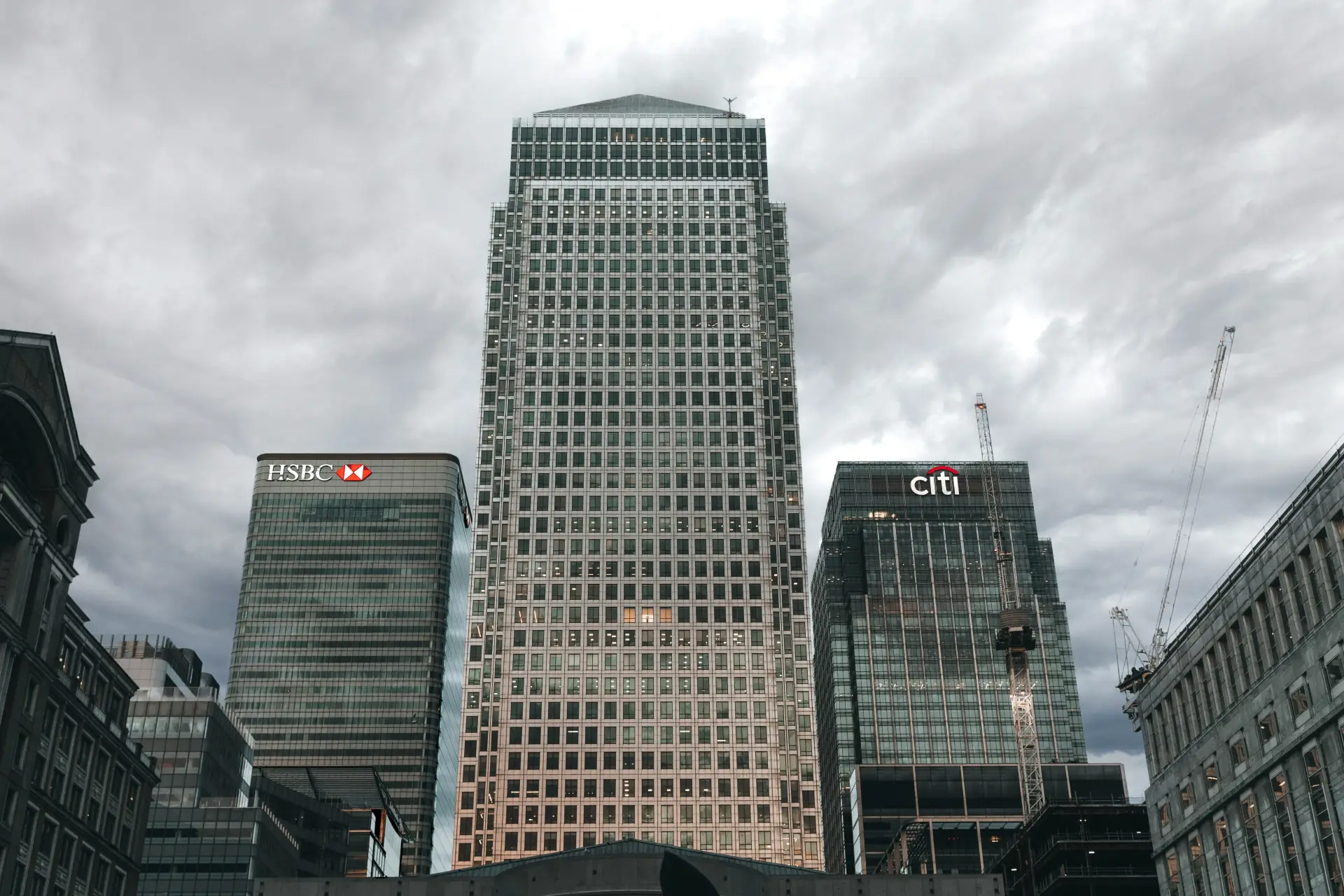 The right lender for a commercial deal changes constantly. We track who is active.
Owner-occupied: turn rent into equity
If your business rents its premises, buying them replaces rent to a landlord with repayments that build equity in an asset you own. Owner-occupied commercial can be funded to 70% to 80% with the right lender, because the business ties to the property reduce vacancy risk. You can hold the premises in your own name, a company, or your SMSF, each with different tax and structuring implications worth planning with your accountant. If SMSF appeals, our post on buying commercial property with your super covers it in detail.
What lenders want to see
Commercial applications need more preparation than a home loan. Have these ready.
- Two years of business and personal tax returns for all guarantors
- Business financial statements and lease or tenancy schedules
- A current commercial valuation, which the lender orders
- Details of any existing commercial debt
- For development, a feasibility, building contract, and pre-sale evidence
 A complete, well-packaged application means fewer conditions and faster approval.
What a commercial finance broker does
Rather than applying to one bank and hoping, a commercial finance broker assesses your deal, identifies the lenders whose current appetite fits it, and packages the application so credit can approve it cleanly. Across property, development, SMSF, and portfolio finance the right lender changes constantly, so knowing the bank, non-bank, and private market saves you time, protects your credit file, and usually secures better terms. Explore our full business finance range for working capital and equipment finance too.
Getting started
Whatever the deal, we will give you a realistic view of leverage, match it to the right lender tier, and prepare the application to approve cleanly. Book a free strategy call or contact us. As a Sydney mortgage broker based in Norwest, we work with business owners across the city and NSW.
Ready to talk to a broker?
Commercial deals live or die on structure and lender fit. Tell us what you are trying to do and we will map the numbers and match you to the funder most likely to say yes. Book a free strategy call to get started.
Quick answers
Frequently asked questions
Commercial lending is finance for income-producing property, business assets, and development, assessed on the income an asset produces, tenants or pre-sales, your track record, and the leverage against a commercial valuation, rather than just your salary. It covers commercial property, development, SMSF, and portfolio finance.
Leverage is generally lower, rates are usually higher, terms are often shorter, and the documentation is heavier. Approval takes longer because a commercial valuation, lease review, or feasibility check is usually required. The upside is a much wider lender panel and far more flexibility in structure.
Standard leased commercial property is generally funded to 65% to 70% of value, owner-occupied premises up to 70% to 80% with the right lender, and SMSF commercial property near 65%. Development finance is measured against cost and end value rather than a simple loan to value ratio.
It is commercial property a business buys to operate from, such as a warehouse, office, surgery, or shop. Because the business occupies the premises, vacancy risk is lower and lenders often allow higher leverage, up to 70% to 80%.
Banks, non-bank lenders, and private lenders all lend on commercial property in Sydney, each with different appetite and pricing. We compare more than 50 lenders across the three tiers and match your deal to the one most likely to approve at the best terms.
Typically two years of business and personal tax returns, business financial statements, lease or tenancy schedules, a current commercial valuation, and details of existing commercial debt. Development deals add a feasibility, building contract, and pre-sale evidence.
For most bank and non-bank deals we are paid by the lender on settlement, so there is no direct cost. Some complex private, development, or specialised transactions carry a broker fee, which we disclose in writing before you proceed.
A standard commercial purchase or refinance usually takes 4 to 8 weeks, allowing time for the valuation and legal documents. Development finance can take 6 to 12 weeks, while private lending for time-critical deals can settle in days to a couple of weeks.
Business finance specialists
Looking for business finance?
We compare lenders across working capital, equipment, commercial property, and expansion finance. We'll structure it to protect your serviceability for the next deal too.
Book a Free Business Call