Last updated: November 2026.
Plenty of Sydney first home buyers count on "the grant" and then miss out. They buy an established home, go $5,000 over a price cap, or use a lender that cannot pay it at settlement.
If you want a broker to check your eligibility before you sign anything, book a free strategy call.
How much is the first home buyer grant in NSW?
The NSW first home buyer grant, officially the First Home Owner (New Homes) Grant, is a one-off $10,000 payment for buying or building a brand new home. The home must cost $600,000 or less if you buy it, or $750,000 or less for land plus a building contract. Established homes do not qualify. At least one buyer must live in the home for 12 continuous months, starting within 12 months of settlement or completion.
The grant is not means tested and it is not taxable. You apply through your lender (if it is an approved agent) or directly with Revenue NSW, within 12 months of settlement or completion.
Our first home buyer loans team checks the grant alongside every other scheme you might qualify for.

How does the NSW first home owner grant work?
Revenue NSW runs the scheme, also known as the "first home buyer grant" or "FHOG".
- You sign a contract to buy a new home, or a building contract to build one.
- Your lender (as an approved agent) or Revenue NSW assesses your application.
- The $10,000 is paid at settlement, at a construction progress payment, or within about 15 working days of an application lodged after completion.
Who is eligible?
Every person buying the property must apply, and each must meet these rules:
- You are 18 or older and buying as an individual, not through a company or trust.
- At least one applicant is an Australian citizen or permanent resident.
- Neither you nor your spouse or partner has received a first home owner grant in any state or territory.
- Neither of you owned a home in Australia before 1 July 2000.
- Neither of you has lived in a home you owned for six continuous months or more since 1 July 2000.
- At least one applicant moves in within 12 months and lives there for 12 continuous months (contracts signed on or after 1 July 2023).
That 1 July 2000 rule cuts both ways. If you bought an investment property after 1 July 2000 and never lived in it, you may still get the grant. You would not get the stamp duty exemption, which requires that you have never owned residential property.
Price caps: the $600,000 and $750,000 limits
| How you buy | Price cap | What counts toward the cap |
|---|---|---|
| New house, townhouse, apartment or unit (including off the plan) | $600,000 | Purchase price |
| Substantially renovated home bought from the seller | $600,000 | Purchase price |
| Vacant land plus a building contract | $750,000 | Land, building contract and construction changes |
| Owner builder | $750,000 | Value of the home and land |
Go $1 over and you get nothing. There is no sliding scale.
Be realistic about the Hills District. New freestanding house and land packages in Box Hill, Kellyville and Rouse Hill usually cost well over $750,000. Where the grant does show up locally is in new apartments and small off-the-plan units around the Metro stations at Kellyville, Rouse Hill and Norwest. Our Kellyville mortgage broker team sees these deals often.
Near $750,000, watch the variations: a kitchen upgrade after signing can push you over. Our home and land package loans page explains how lenders assess these contracts.
What counts as a "new home"?
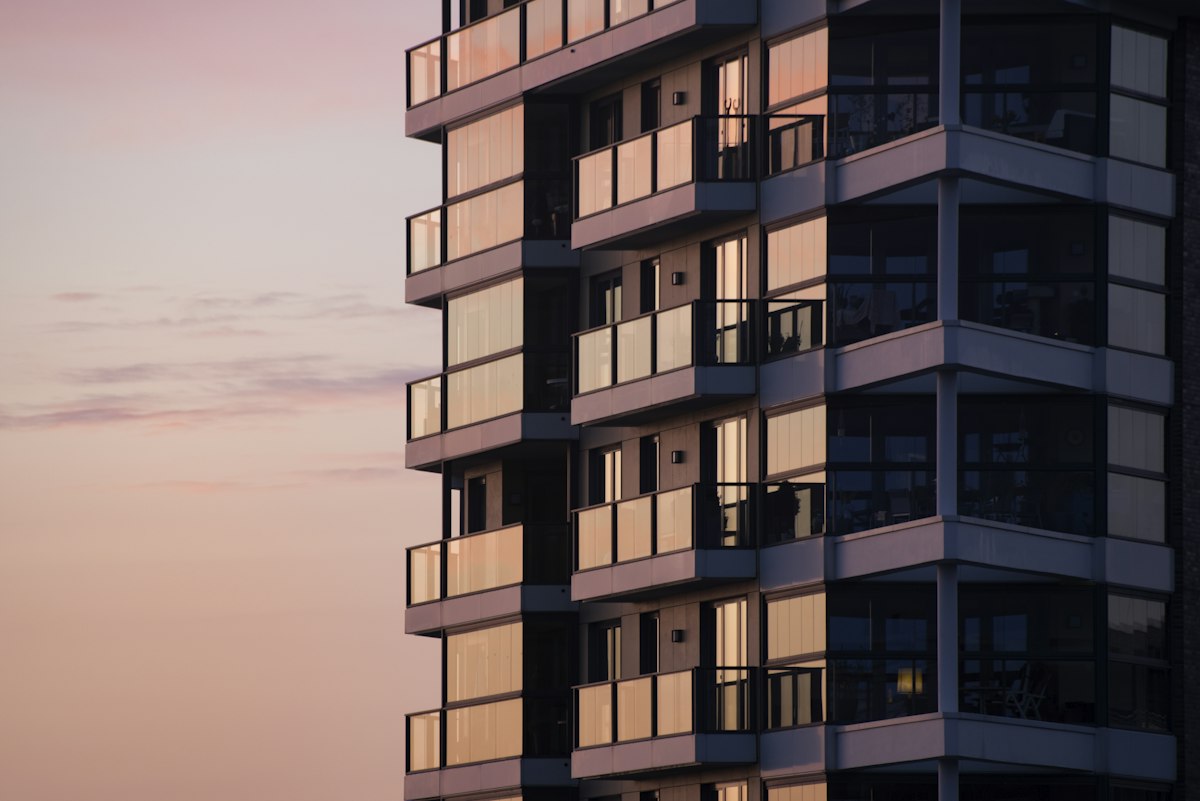
A home is new if it has never been occupied or sold as a place of residence. That covers newly built and off-the-plan homes, a home you build on vacant land, a home built to replace a demolished one, and a substantially renovated home where most of the building was removed or replaced and nobody has lived in it since.
A first sale is not "new" if the builder lived in it, leased it out or used it for short-term stays. Ask the developer before you exchange, and have your conveyancer confirm it.
How and when do you claim the grant?
| Route | Who lodges | When the $10,000 is paid |
|---|---|---|
| Approved agent (usually your lender) | Your lender, before settlement or before the first progress payment | At settlement, or at a progress payment for a build |
| Revenue NSW directly | You, through the online portal, after settlement or completion | Within about 15 working days of a complete application |
If you want the grant at settlement or during your build, you need an approved agent. ANZ, Commonwealth Bank, NAB, Westpac, St.George, Bankwest, Suncorp, Bank of Queensland and HSBC are on Revenue NSW's list, along with many smaller lenders. Not every lender is, so we check before we recommend one. Owner builders and terms contracts lodge with Revenue NSW after completion.
When RyRo arranges your loan, the grant paperwork goes in with your application. Contact us if you have settled and are not sure your grant was claimed.
Timing the grant with a construction loan
With land plus a building contract, the money usually flows like this:
- Land settles. Stamp duty is generally charged on the land contract, not the build.
- Build starts. A construction loan pays the builder in stages.
- Grant paid at a progress payment. If your approved agent lodged before completion, the $10,000 can go toward a build stage.
- Move in. Within 12 months of completion, for at least 12 months.
On the land, the First Home Buyers Assistance Scheme thresholds are lower than for homes: no duty up to $350,000 and a concession up to $450,000. Run your land price through the stamp duty calculator, and check your limit with the borrowing power calculator, because lenders assess the full land and build cost. Our construction loan process guide covers each stage.
How the grant stacks with other first home buyer schemes
The grant combines with all of these, but each has its own rules.
Stamp duty (First Home Buyers Assistance Scheme). No transfer duty on a new or existing home up to $800,000, and a reduced rate up to $1 million. Your conveyancer submits the forms after exchange. See how to avoid stamp duty in NSW.
5% Deposit Scheme (First Home Guarantee). Since 1 October 2025 there are no income caps and no limit on places. Buy with 5% down and no lenders mortgage insurance, up to $1.5 million in Sydney. You qualify as a first home buyer or if you have not owned property in Australia in the last 10 years. Read our First Home Guarantee 2026 guide.
First Home Super Saver Scheme. Release up to $15,000 of voluntary super contributions per financial year, $50,000 in total, plus earnings. Get your ATO determination before the property transfers to you. Our FHSS guide has the steps.
Help to Buy. The federal shared equity scheme opened on 5 December 2025 and suits a different buyer. Compare them in our Help to Buy vs First Home Guarantee vs 5% Deposit guide.
Worked example: a new apartment near Kellyville station
Say you and your partner are both first home buyers. You buy a new one-bedroom apartment off the plan near Kellyville station for $595,000 and plan to live there for at least two years. This is a hypothetical example.
| Item | Amount |
|---|---|
| First Home Owner Grant | $10,000 (under the $600,000 cap) |
| Transfer duty normally payable (2026 to 2027 rates) | $20,962 |
| Transfer duty with the stamp duty exemption | $0 (under $800,000) |
| Minimum deposit with the 5% Deposit Scheme | $29,750 |
| Lenders mortgage insurance with the 5% Deposit Scheme | $0 |
That is $30,962 in grant and duty savings, before the LMI you avoid.
Two catches. Off-the-plan developers usually want a deposit at exchange, long before settlement, and the grant only arrives at settlement, so it cannot fund that deposit. Ask us about a deposit bond. And if the price were $605,000, the grant would disappear entirely. Negotiate with the cap in mind.
Mistakes that cost first home buyers the grant
- Creeping over the cap. Upgrades, variations and site costs on a build all count toward $750,000.
- Using a lender that is not an approved agent. You still get the grant, but only after completion.
- Forgetting your partner's history. Their past grant or past home counts against you both.
- Moving out early, or lodging late. Either one can cost you the $10,000.
See how we handle the paperwork on our First Home Owner Grant service page.
Ready to lock in your grant and scheme stack?
The grant is $10,000 you either claim properly or lose. Combined with the stamp duty exemption and the 5% Deposit Scheme, the right new home can save you more than $30,000 upfront.
RyRo Loan Centre, based in Norwest, checks your eligibility for each scheme, chooses a lender that is both an approved agent and a scheme participant, and lodges the paperwork so the money lands when you need it.
Book a free strategy call, call us on 1300 11 7976, or explore our first home buyer loans.
This article is general information only and is not financial, legal or tax advice. It does not consider your objectives, financial situation or needs. Scheme rules change, so confirm current eligibility with Revenue NSW, Housing Australia and the ATO and get advice for your circumstances before you act. All loans are subject to lender approval.
Quick answers
Frequently asked questions
It is $10,000. The NSW First Home Owner (New Homes) Grant pays a flat $10,000 for buying or building a new home. The home must cost $600,000 or less if you buy it, or $750,000 or less for land plus a building contract. The amount does not change with your income, and the grant is not taxable.
No. The grant only applies to new homes: newly built, off the plan, built on your land, or substantially renovated with nobody living there since. If you buy an established home, you can still use the stamp duty exemption and the 5% Deposit Scheme, because neither requires the home to be new.
Yes. They are separate schemes, and you can claim both if you meet the rules for each. The stamp duty scheme is stricter on ownership history, because you must never have owned residential property in Australia. Your lender handles the grant and your conveyancer handles the duty forms. Check the duty side with our stamp duty calculator.
If your lender lodges as an approved agent before settlement, it is paid at settlement. For a build, it can be paid at a progress payment if lodged before completion. Lodge directly with Revenue NSW after completion and payment usually follows within 15 working days of a complete application. Either way, you have 12 months from settlement or completion to apply.
Yes. The 5% Deposit Scheme lets eligible buyers borrow up to 95% with no lenders mortgage insurance, and it has had no income caps since 1 October 2025. The $10,000 grant sits on top if the home is new and under the grant cap. You need a lender that is both a participating lender and an approved agent, which we check for you.
In effect, yes. Everyone buying the property must apply, and neither you nor your spouse or partner can have had a grant before, owned a home before 1 July 2000, or lived in a home you owned for six continuous months since then. Only one applicant needs to be a citizen or permanent resident, and only one needs to live in the home for 12 months.
Only if the land plus building contract is $750,000 or less, including variations. Most new freestanding packages in those suburbs cost more, so the grant is more realistic on new apartments near the Metro. The 5% Deposit Scheme has a $1.5 million Sydney cap and can still apply to your build. Talk to our Hills District mortgage broker team about your package.
Only if you break the rules. If no applicant moves in within 12 months and lives there for 12 continuous months, you must notify Revenue NSW within 14 days and repay it, and penalties can apply. Once you have met the residence requirement, the grant is yours to keep.
FHB specialists · No broker fees
Ready to buy your first home in Sydney?
We've helped hundreds of Sydney first home buyers get into the market with the right scheme stack. FHBAS, FHOG, FHSS, First Home Guarantee, Help to Buy. Talk to us before you go to the bank.
Book a Free Strategy Call